How Can Physical Therapy Help Sciatic Nerve Pain?
Sciatic nerve pain can be debilitating, affecting daily activities and reducing quality of life. Many people suffering from this condition often search for effective solutions like sciatic back pain treatment and guidance from a qualified back pain doctor. At Back Center NJ, we specialize in helping patients relieve sciatic nerve discomfort through customized physical therapy programs.
Understanding Sciatic Nerve Pain
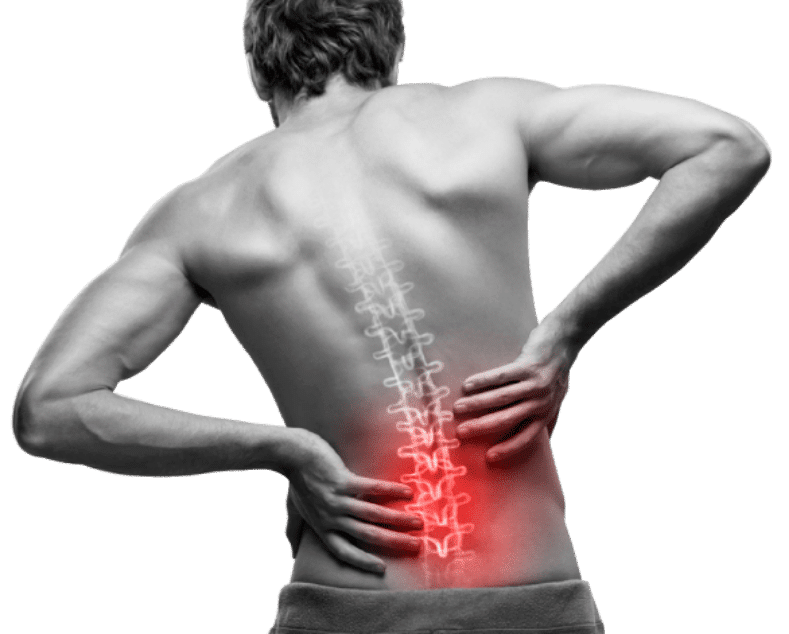
Sciatic nerve pain, commonly known as sciatica, occurs when the sciatic nerve, which runs from the lower back down the legs, becomes compressed or irritated. Symptoms often include sharp pain, tingling, numbness, or weakness in the lower back, buttocks, or legs. Causes can range from herniated discs and spinal stenosis to muscle imbalances or injury.
While medications can temporarily relieve symptoms, long-term solutions often require a more hands-on approach. That’s where sciatic back pain treatment through physical therapy proves to be highly effective.
The Role of Physical Therapy in Sciatic Nerve Relief
Physical therapy focuses on reducing pain, improving mobility, and strengthening muscles to prevent future flare-ups. At Back Center NJ, our physical therapists design personalized programs tailored to each patient’s condition and lifestyle.
1. Pain Reduction Techniques
One of the first goals of physical therapy is to alleviate pain. Therapists use techniques such as targeted stretching, manual therapy, and posture correction exercises. These interventions reduce pressure on the sciatic nerve, allowing patients to regain comfort without heavy reliance on medications.
2. Strengthening and Stabilizing the Core
Weak core muscles often contribute to sciatic nerve irritation. Physical therapy programs emphasize strengthening the core, lower back, and hip muscles. A stronger core provides better support for the spine, reducing strain on the sciatic nerve and lowering the risk of future pain episodes.
3. Improving Flexibility and Mobility
Restricted movement can exacerbate sciatic pain. Physical therapy incorporates stretching routines that target the hamstrings, hip flexors, and lower back. Improved flexibility not only alleviates current pain but also helps maintain spinal health over the long term.
4. Educating Patients on Proper Body Mechanics
A crucial component of sciatic back pain treatment is patient education. Therapists teach proper lifting techniques, posture habits, and ergonomics that protect the lower back during daily activities. Patients leave with practical strategies to prevent recurring sciatic nerve issues.
Why Choose Back Center NJ
Choosing the right provider is essential for effective recovery. Back Center NJ combines expert guidance from a back pain doctor with hands-on physical therapy. Our approach is patient-centered, ensuring that every treatment plan is tailored to your specific needs. By integrating evaluation, treatment, and education, we help patients achieve long-term relief from sciatic nerve pain.
Getting Started with Physical Therapy
If you are experiencing sciatic nerve discomfort, early intervention is key. A consultation with a back pain doctor at Back Center NJ will include a comprehensive evaluation to identify the root cause of your pain. From there, our physical therapists will create a personalized program to reduce pain, strengthen your body, and improve mobility.
By choosing physical therapy as a cornerstone of your sciatic back pain treatment, you invest in a proactive, non-invasive approach to long-term relief. With expert care, guided exercises, and ongoing support from Back Center NJ, managing sciatic nerve pain becomes achievable, allowing you to return to daily life with confidence.


Comments
Post a Comment